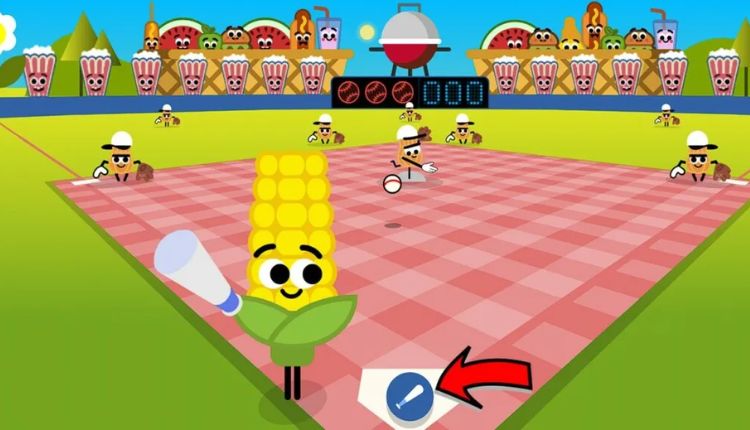
This is where games come in. Study games combine education with fun and turn boring lessons into enjoyable experiences. Whether used in classrooms, at home, or online, learning games have become a powerful tool for improving comprehension, retention, and overall academic performance.
Games are designed to make learning interactive. Instead of passively reading or memorising, students are actively engaged through challenges, quizzes, puzzles and simulations. This active engagement helps students grasp complex concepts more easily while maintaining interest for longer periods of time.
What are study games
Study games are educational activities that use game mechanics to teach academic or practical skills. These games can be digital or physical and are designed to match the learning objectives. Unlike regular games, the primary goal of educational games is the acquisition of knowledge rather than pure entertainment.
They are widely used in various subjects such as mathematics, science, language learning, history, and even professional skill development. From card-based games to online multiplayer platforms, educational games cater to students of all ages and levels.
Why are educational games important in modern education
Modern students are growing up surrounded by technology, making it difficult for traditional teaching methods to hold their attention. Educational games bridge this gap by integrating learning into a format that students already enjoy.
One of the main reasons why learning games are important is that they reduce learning anxiety. Many students feel pressured during exams or formal classes, but games create a relaxed environment where mistakes are part of the learning process. This encourages experimentation and curiosity.
Another reason is adaptability. Study games can be adapted to match the student’s pace, strengths and weaknesses, making them ideal for personalised learning.
Psychological benefits of educational games
Study games are not just fun; they also offer significant psychological benefits. When students play games, their brains release dopamine, a chemical associated with pleasure and motivation. This positive reinforcement encourages further learning.
Some key psychological benefits include:
- Improved focus and concentration while learning
- Increased motivation to complete academic tasks
- Reduced fear of failure through trial-and-error gameplay
- Improved problem-solving and critical-thinking skills
These benefits make learning games especially effective for younger students and students who struggle with conventional teaching methods.
How studying games improves memory and retention
One of the biggest benefits of learning study games is their ability to improve memory retention. Games often require repeated interaction with concepts, which strengthens neural connections in the brain.
Learning games also use visual, auditory, and kinaesthetic elements together. This multi-sensory approach helps students remember information more effectively than reading a text alone. For example, a vocabulary game that combines pictures, sounds, and actions can greatly improve language retention.
Repetition in games is natural rather than forced. Students willingly replay levels or challenges, reinforcing their knowledge without getting bored.
Types of games
There are many different types of games, each serving a unique purpose. Understanding these categories can help educators and students choose the right game for their needs.
Digital games
Digital learning games are played on computers, tablets or smartphones. These games often include animations, leaderboards, and instant feedback. Online platforms allow students to compete or collaborate with others around the world, making learning social and engaging.
Board and card games
Traditional board and card games can also be educational. These games encourage face-to-face interaction and teamwork while teaching concepts such as math calculations, vocabulary or logical reasoning.
Study games based on quizzes
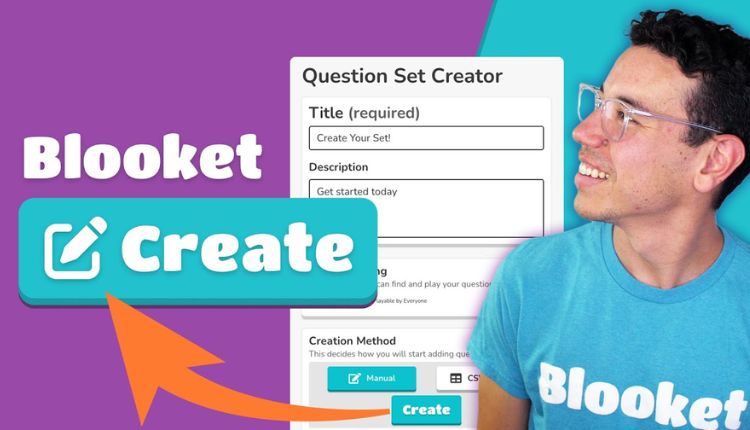
Quiz-based learning games focus on testing knowledge through questions and answers. Timed quizzes, point systems, and rewards make these games exciting while reinforcing the theme.
Simulation and RPG games
Simulation games allow students to experience real-world scenarios. For example, economic simulation games teach financial literacy, while science simulations demonstrate experiments that may be difficult to perform in real life.
Educational games for different age groups
Studies are versatile and can be adapted for students of all ages.
For young children, learning games often focus on basic skills such as counting, alphabet recognition and colour identification. These games use clear visuals and simple mechanics to hold attention.
For teenagers, games become more complex and challenge analytical thinking. Subjects such as algebra, physics, and grammar are commonly taught through competitive or story-based games.
Adults also benefit from educational games, especially in vocational training and skill development. Language learning apps, coding games, and business simulations help adults learn effectively while balancing busy schedules.
Study games in the classroom teaching
Teachers around the world are increasingly integrating learning games into classroom instruction. Games can be used as warm-up activities, lesson reinforcement or revision tools before exams.
Classroom study games promote cooperation and communication between students. Group games encourage teamwork and mutual learning and help students learn from each other’s strengths.
Teachers also find learning games useful for assessment. Instead of traditional tests, games can track progress and identify learning gaps without stress.
The role of technology in educational games
Technology has revolutionized the way educational games are designed and delivered. Artificial intelligence and data analysis allow games to adapt to individual learning styles. If a student struggles with a topic, the game can provide additional practice or alternative explanations.
Cloud platforms allow access to learning games from anywhere, making distance learning more interactive. Virtual reality and augmented reality are also new trends that offer immersive learning experiences that were once impossible.
Study games for skill development
In addition to academics, study games are excellent tools for developing life and professional skills. Games that focus on problem-solving, time management, and decision-making prepare students for real-world challenges.
Some learning games also improve soft skills such as communication, leadership and teamwork. Multiplayer games require coordination and strategy and help students develop social and emotional intelligence.
Challenges and limitations of educational games
While study games offer many benefits, they are not without challenges. Overuse of games may lead to distraction if not properly guided. Learners might focus more on winning than understanding the subject matter.
Another limitation is accessibility. Not all students have access to digital devices or reliable internet connections. Additionally, poorly designed games may oversimplify complex topics, reducing educational value.
To overcome these challenges, games should be used as a supplement to traditional learning, not a complete replacement.
How to Choose the Right Games
Choosing the right games is essential for effective learning. The game should align with learning objectives and be appropriate for the learner’s age and skill level.
- Some important factors to consider include:
- Clear educational goals and outcomes
- Engaging but not overly distracting design
- Feedback mechanisms that explain mistakes
- Flexibility to adapt difficulty levels
Parents and educators should also monitor progress and ensure that games are supporting learning rather than replacing meaningful study time.
Future of Games
The future of study games looks promising as technology continues to evolve. Gamification is becoming a standard feature in educational platforms, making learning more personalised and engaging.
Artificial intelligence will further enhance adaptive learning, while immersive technologies will create realistic learning environments. As research continues to support the effectiveness of game-based learning, games are expected to play an even bigger role in global education systems.
Wrapping It Up
Study games have transformed the way people learn by making education interactive, enjoyable, and effective. They improve motivation, memory retention, and critical thinking while reducing learning stress. From classrooms to online platforms, games are now an essential part of modern education.
When used correctly, games complement traditional teaching methods and provide learners with a balanced learning experience. As technology advances, the potential of games will continue to grow, shaping the future of education for learners of all ages.
Frequently Asked Questions (FAQs)
What are games used for
Games are used to teach academic subjects and practical skills through interactive and engaging gameplay. They help learners understand concepts more easily and retain information longer.
Are games effective for serious learning
Yes, research shows that studying games improves motivation, focus, and retention when designed properly and aligned with learning goals.
Can adults benefit from games?
Absolutely. Adults use games for language learning, professional training, cognitive development, and skill enhancement.
Do games replace traditional education?
Games are best used as a supplement to traditional education, not a replacement. They enhance learning but should be combined with structured instruction.
How often should games be used
Games should be used in moderation. Regular but balanced use ensures effective learning without causing distraction or overdependence.