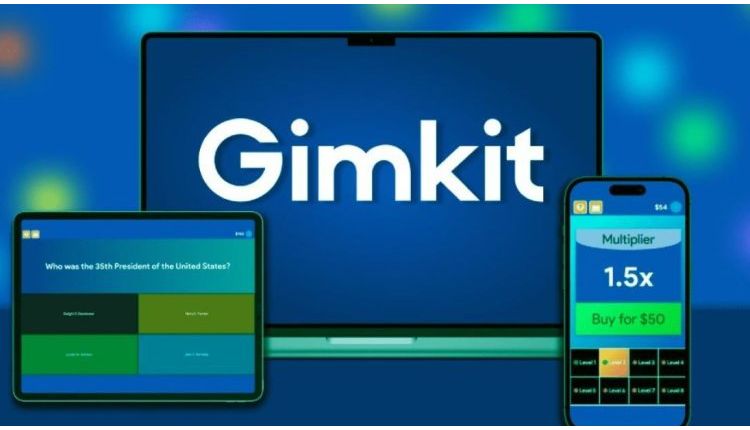
One of the most popular tools driving this transformation is Gimkit create game, a gamified learning platform designed to make learning fun, competitive and engaging. Among its most powerful features is the ability to create a Gimkit game, which allows teachers and students to design their own games tailored to specific learning objectives.
Unlike traditional quiz platforms, Gimkit combines knowledge testing with strategy, rewards and live game mechanics. When you use Gimkit to create a game, you’re not just creating a quiz—you’re designing an interactive lesson that motivates students to actively participate.
This comprehensive guide will explore everything you need to know about Gimkit’s game creation feature, from understanding its basics to mastering advanced customisation techniques.
What is Gimkit, and why is it popular
Gimkit create game is an online learning platform originally created by a high school student to make quizzes in the classroom more engaging. Over time, it has evolved into a powerful educational tool used by teachers around the world.
Gimkit’s popularity comes from its unique approach to learning. Instead of simply answering questions, players earn in-game currency, make strategic decisions, and compete or cooperate in real time. This combination of learning and play keeps students motivated and focused.
When educators use Gimkit’s game creation feature, they gain full control over content, pace and game mechanics, making it suitable for all age groups and subjects.
Understanding the Gimkit Create Game feature
The Gimkit create game feature allows users to design personalised quizzes and transform them into playable games. You can create question sets, choose game modes, and adjust settings to suit your teaching style.
This feature is particularly valuable because it supports both formative and summative assessment. Teachers can assess student understanding while keeping the atmosphere fun, not stressful.
The key elements involved in creating a game in Gimkit are:
- Custom question sets
- More game modes
- Adjustable time and score settings
- Improvements and improvements in the game
- Live game or homework-style game
These elements work together to create an immersive learning environment.
How to make a game in Gimkit step by step
Gimkit create game is simple, even for beginners. The platform is designed to be user-friendly and allow educators to focus on content rather than technical complexity.
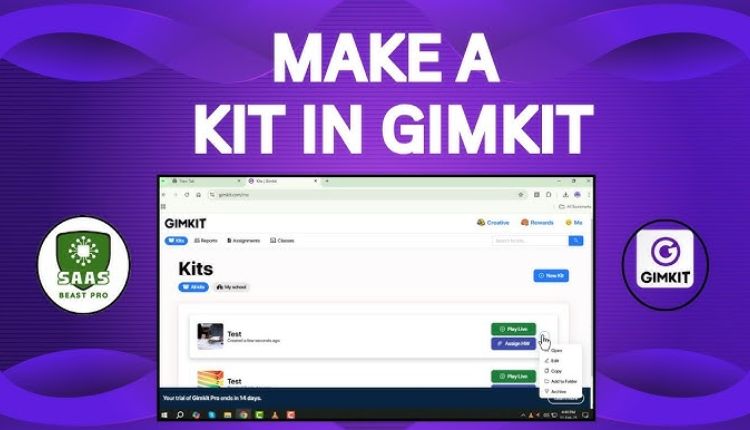
First, you need a Gimkit account. After logging in, go to your dashboard and select the option to create a new set. A “kit” is essentially a bank of questions that powers your game.
After you name the set, you start adding questions. You can enter questions manually or import them from other sources. Each question can have multiple-choice answers and you can easily set the correct answer.
Once your set is complete, you can choose a game mode. Gimkit offers a variety of modes, each with unique gameplay mechanics. After choosing a mode, you can start the game live or enter it as homework.
The importance of customization in Create Game
Customisation is what really sets Gimkit create game apart. The ability to create a Gimkit game allows teachers to customise almost every aspect of the game to fit the needs of their classroom.
You can control the repetition of questions, the rate of earning, the availability of power-ups, and even whether students can work together or compete independently. This flexibility ensures that the game will align with your educational goals.
Customisation also helps accommodate different learning styles. Some students thrive in a competitive environment, while others prefer cooperative play. Gimkit seamlessly supports both approaches.
Popular game modes available in Gimkit
One of the most exciting parts of the Gimkit create game process is choosing a game mode. Each mode offers a unique experience that can dramatically change the way students interact with the material.
Some of the most commonly used game modes include
- A classic mode that focuses on earning money by answering questions correctly
- Team mode, where students work together to achieve common goals
- Trust No One, inspired by mystery and deductive gameplay
- Infinity Mode, which allows continuous play without a time limit
These modes ensure that gameplay is never repetitive, even when covering similar content.
Educational benefits of using Gimkit Create Game
The educational value of Gimkit goes far beyond entertainment. When properly implemented, Gimkit’s game creation features support deeper learning and retention.
Students stay engaged because they get instant feedback. Correct answers are rewarded, while incorrect answers encourage reflection and repetition. This loop reinforces understanding over time.
In addition, Gimkit create game encourages critical thinking. Players must decide how to spend the currency they earn, whether to upgrade abilities or save resources. These decisions add a strategic layer that increases cognitive engagement.
How teachers can use Create Game effectively
Teachers can use Gimkit in a variety of teaching scenarios. It works well as a lesson opener, review activity or even an assessment tool.
When creating a game, it is important to align the questions with the learning objectives. Clear, well-structured questions ensure that the game reinforces key concepts rather than distracting from them.
Teachers should also monitor the pace. Adjusting time limits and difficulty levels helps keep students challenged without causing frustration.
Engaging and motivating students through Gimkit
One of the strongest benefits of the Gimkit create game feature is its impact on student motivation. Traditional quizzes are often repetitive, but Gimkit turns assessment into an experience students look forward to.
The reward system uses intrinsic motivation. Students feel a sense of accomplishment when they progress, which encourages participation even among reluctant students.
The competitive aspect, if used correctly, promotes excitement and focus. Meanwhile, team modes encourage cooperation and communication skills.
Using Create Game for distance learning
Gimkit create game is particularly effective for remote and hybrid learning environments. The platform works entirely online, so it can be accessed from any device with an internet connection.
Teachers can assign games as homework, allowing students to complete them at their own pace. This flexibility is ideal for asynchronous learning.
Real-time analytics also help educators track student performance, even when learning remotely. These insights enable targeted support where it is most needed.
Common mistakes to avoid when creating a game in Gimkit
Although Gimkit’s game creation is user-friendly, there are a few common mistakes that educators should avoid when using Gimkit’s game creation feature. One frequent issue is overloading games with too many questions. This can lead to fatigue and reduced engagement. It is often better to focus on quality rather than quantity.
Another mistake is ignoring game settings. Default settings may not always suit your classroom, so taking time to adjust options can significantly improve the experience.
Tips to Optimize Your Created Game for SEO and Sharing
Although Gimkit create game are primarily educational tools, many educators share their kits with others. Optimising titles and descriptions makes them easier to find and reuse.
Clear naming conventions help others understand the purpose of your game. Including subject names, grade levels, or topics improves discoverability.
Well-written questions and consistent formatting also enhance the professionalism and usability of your game.
Future of Game-Based Learning with Gimkit
Game-based learning continues to gain traction, and platforms like Gimkit are at the forefront of this movement. The Gimkit create game feature represents a shift toward learner-centered education.
As technology advances, we can expect even more customisation, analytics, and immersive experiences. Gimkit’s ongoing updates suggest a strong commitment to innovation.
Educators who embrace these tools early are better positioned to engage digital-native learners and create meaningful educational experiences.
Conclusion
The Gimkit create game feature is more than just a tool—it is a powerful method for transforming learning into an engaging, interactive experience. By allowing educators to design custom games, Gimkit bridges the gap between education and entertainment.
From boosting student motivation to supporting diverse learning environments, Gimkit offers immense value for modern classrooms. When used thoughtfully, it can enhance understanding, improve retention, and make learning enjoyable for everyone involved.
Whether you are a teacher seeking better engagement or a student looking for a fun way to study, creating a game in Gimkit opens the door to a smarter and more interactive approach to learning.
FAQs
What is the create game feature used for
The create game feature is used to design custom educational games that help students learn through interactive quizzes and strategic gameplay.
Is the game free to use
Gimkit offers both free and paid plans. The free version allows basic game creation, while premium plans unlock advanced modes and features.
Can students create games in Gimkit?
Yes, students can create games if their account permissions allow it. This can be a great way to encourage student-generated learning.
How many questions should a Gimkit game have
There is no fixed number, but most effective games include a balanced set of questions that keeps gameplay engaging without overwhelming players.
Can Gimkit-created games be used for homework?
Yes, teachers can assign Gimkit games as homework, allowing students to complete them asynchronously at their own pace.