Among these tools, one of the most popular platforms allows users—especially teachers and students—to quickly create engaging quizzes, challenges, and multiplayer activities. Whether you want to make your classroom lessons more exciting or create an interactive activity for friends, learning how to gimkit make a game can open the door to creativity and dynamic learning. This article explains how the process works, what features you can use, and how to make your game more effective and fun for your audience. Everything is written in simple language so anyone can get started with confidence.
Understanding the game development platform
Modern learning game platforms are designed so that everyone – regardless of age or experience – can create their own activity. You don’t need coding skills or technical knowledge. All you need is a free account, and Gimkit make a game. These platforms offer easy-to-use dashboards where you can add questions, select game formats, and customise player interaction. The goal is to make learning like playing, which is why these tools are especially useful for teachers who want to increase student participation.
The system typically includes options for different themes, difficulty levels, visual themes, and time settings. You can turn a regular lesson into a fast-paced competition or a quiet independent practice activity. Because everything runs online, both creators and players can connect from any device, making the experience accessible and flexible.
How to start building your Gimkit make a game
The process of creating a learning game usually starts with logging in and selecting the “Create” or “Gimkit Make a game” option. Once you’ve done this, you’ll see a blank template where you can start adding your ideas. The first step is to give your game a name that matches the theme. This helps players understand what the game is about.
Next comes the main part: adding questions. You can choose between multiple-choice, true or false, open-ended or creative tasks depending on what the platform offers. Many creators prefer multiple-choice for quick contests, while open-ended questions are good for deeper thinking. Add as many questions as you want, but keep them clear and easy to understand.
After adding questions, you can set points, time limits and bonuses. These small tweaks make the game even more exciting. For example, setting higher points for harder questions motivates players and encourages more strategic thinking.
Choosing the right game mode
One of the most attractive features of these platforms is the wide variety of gimkit make a game. Each mode creates a unique experience. Some are competitive, where players race to score as many points as possible. Others are collaborative, where players work together to achieve a goal.
Competitive modes often include fast laps, special power-ups, or risk-reward features that force players to think carefully before responding. These modes are great for keeping the energy high in a classroom or group setting.
On the other hand, cooperative modes encourage teamwork. Students can help each other, share ideas and solve problems as a group. This is perfect for teachers who want to build communication and collaboration.
Choosing the right mode depends on your purpose. If you want excitement, competition works best. If you want teamwork, collaborative formats are a better choice.
Customisation and Gimkit make a game
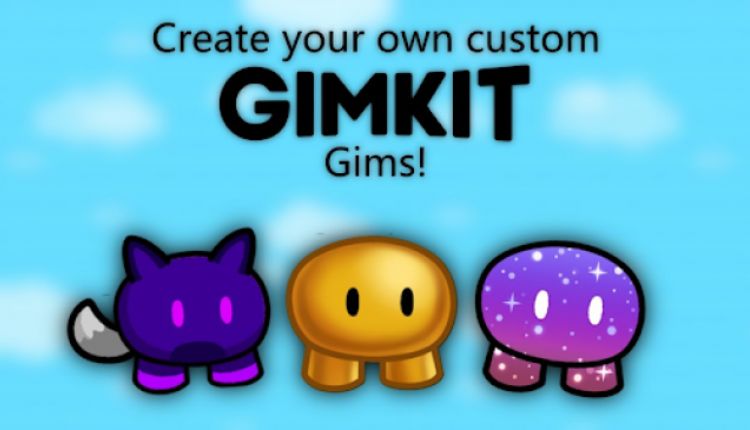
A big part of creating an effective gimkit make a game is making it visually appealing. Most platforms allow you to add images, choose colours, use themes or choose icons. These little touches make the experience more engaging and help players stay engaged.
If your game contains questions that require visual elements – such as geography, scientific diagrams or language learning – add images to make the question clearer. The visuals also make the game more memorable.
You can also customise the game settings. These include game length, question speed, difficulty level, and special features. Customisation makes the game unique and tailored to the needs of your audience.
Tips for making the game more efficient
To gimkit make a game that players enjoy and learn from, focus on quality rather than quantity. Ask clear, concise questions and avoid unnecessary complexities. Use a mix of easy, medium and hard questions to keep players motivated.
Consider the pace. If the game is too fast, players can feel overwhelmed. If it’s too slow, they may lose interest. Find a balance that keeps everyone active and engaged.
Make sure each question teaches something meaningful. Even a competitive game can be educational if the design of the question is thought out. Finally, test the game yourself before introducing it to others. A quick trial run will help you fix mistakes and understand the feel of the flow.
The benefits of Gimkit make a game
Creating your own interactive activity has several advantages. It encourages creativity and helps students focus. Gimkit make a game of the monotony of traditional classes and turns education into fun.
These platforms also encourage repetition, which is important for building memory. Players can replay games, getting higher scores and improving their understanding each time. This repetition makes learning deeper and longer.
Another advantage is flexibility. You can design games for school subjects, training, group events or even for fun between friends. The possibilities are endless.
Using Analytics to improve future games
Many platforms now offer analytics that show how players have performed. You can see which questions were too hard, which were gimkit make a game, and which players enjoyed the most. This information is valuable for improving your next creation.
If you’re a teacher, analytics can help you understand gaps in education. You can see which areas students are struggling with and adjust your lessons accordingly. If you make games for fun, analytics will simply help you make your next game more exciting.
Conclusion
Designing an interactive Gimkit make a game is a simple yet effective way to make lessons exciting and memorable. With an easy-to-use system, customisable features, multiple game modes and creative tools, anyone can bring their ideas to life. Whether you’re a teacher trying to increase classroom participation or an individual who likes to do fun challenges, creating your own game is a rewarding experience. The more you experiment, the better your games will be – and the more your players will enjoy learning.
Frequently asked questions
1. Do I need advanced skills to create a learning game?
No, the process is designed for all gimkit make a game. Anyone can create a game using simple steps.
2. Can I customise the look of my game?
Yes, you can add images, choose themes, adjust colours and customise many settings.
3. How many questions should I add?
There is no fixed number, but a balanced mix of 10-20 questions works well for most game modes.